Highbury Fields festival waste plan and rubbish tips
Posted on 27/10/2026
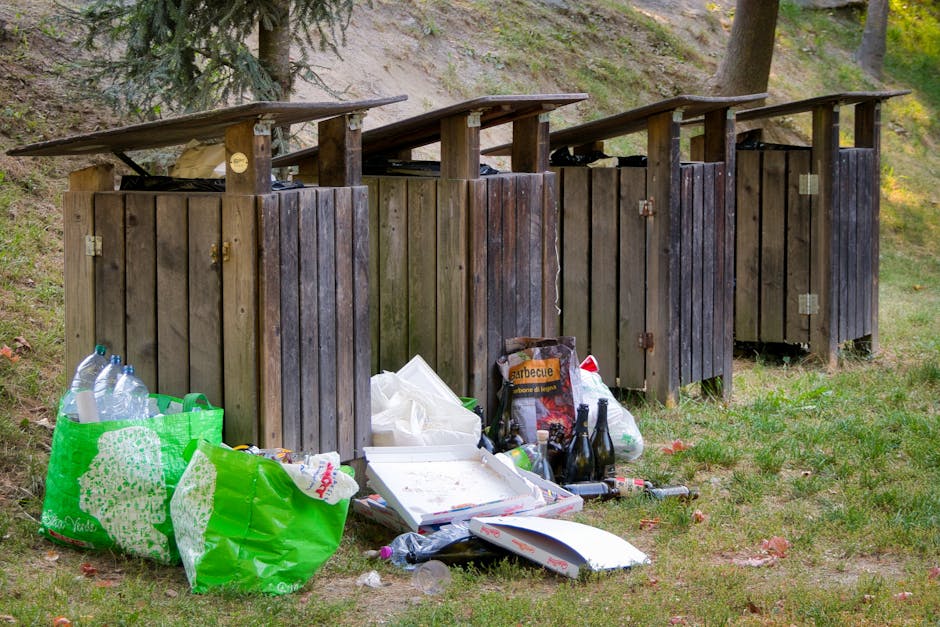
If you are planning around a busy event in North London, or trying to clear up after one, the right Highbury Fields festival waste plan and rubbish tips can make the whole day feel less chaotic. Truth be told, festival rubbish has a habit of multiplying fast: cups under benches, food packaging by the paths, broken tent pegs, half-used decorations, the odd mystery bag nobody claims. And if you leave it too late, it becomes a bigger job than it needed to be.
This guide breaks down what a sensible waste plan looks like, how rubbish removal usually works in a park or festival setting, and which practical tips make the biggest difference. We will also cover common mistakes, compliance basics, and the kind of planning that saves time, money, and a fair bit of stress. Whether you are organising a small community gathering, supporting an event team, or simply trying to understand the best clean-up approach, you are in the right place.
Why Highbury Fields festival waste plan and rubbish tips Matters
Festival waste planning is not just about keeping the space tidy. It affects safety, visitor experience, clean-up time, and even how smoothly the event runs from the first set-up van to the final bag sweep at dusk. Highbury Fields is a well-used public green space, so any event there needs to account for footfall, access points, neighbours, wildlife, and the simple fact that people rarely throw things away in neat, predictable ways.
A decent plan helps you avoid the classic festival mess: bins overflowing before lunchtime, loose litter blowing across the grass, recyclable material contaminated by food waste, and volunteers spending the last hour doing a rushed, unhappy sort-through. Nobody wants that. Not the organisers, not the crew, and definitely not the residents who live nearby.
There is also the practical side. If rubbish is not separated properly, collection becomes slower and more expensive. If access routes are blocked, disposal teams may struggle to remove waste efficiently. If waste streams are mixed, recycling chances drop. Small planning gaps can snowball, especially when there are food traders, drink stations, temporary toilets, packaging, and promotional materials all generating different kinds of waste.
In our experience, the events that look calm from the outside usually have one thing in common behind the scenes: someone has thought carefully about bins, signage, collection timing, and what happens when the site gets busier than expected. Simple enough, but it makes a huge difference.
How Highbury Fields festival waste plan and rubbish tips Works
A festival waste plan is really a working system. It defines what waste will be created, where it will go, who handles it, and when it gets removed. For a public-space event, the plan should be practical rather than fancy. Pretty diagrams are fine, but if nobody can follow them while carrying three bags of cups and napkins, they are not doing much.
Most event waste plans include a few core parts:
- Waste stream identification - deciding what types of rubbish are likely to appear, such as food waste, mixed recyclables, general waste, cardboard, glass, and bulky items.
- Bin placement - putting waste points where people naturally gather, not where they are least likely to use them.
- Collection schedule - setting times for internal checks, overflow removal, and final clear-down.
- Sorting rules - making it clear what goes into each bin and what must stay separate.
- Post-event clearance - planning the final sweep, haul-away, and site handback.
The rubbish tips side of the topic is often about practical disposal decisions. That could mean whether to use a licensed waste carrier, whether to arrange multiple small collections rather than one giant pickup, or whether to separate reusable materials before they are tipped into mixed waste. If you want a wider picture of clearance services, the services overview is a useful starting point, and for broader event-related disposal help, the main waste disposal Highbury page gives a good sense of how different jobs are handled.
For a festival site, the flow usually looks like this: waste is generated, it is separated at source where possible, collections happen during or after the event, and the area is returned to usable condition with as little disturbance as possible. Simple in theory. A bit more lively in practice, especially if the weather turns warm and everyone suddenly decides to leave a dozen half-finished drink cups on a wall. That happens.
Key Benefits and Practical Advantages
A strong waste plan brings benefits that are easy to underestimate until you have seen the alternative.
1. Faster clean-up
When bins are well placed and labelled, crews can move quickly. Less wandering around. Fewer awkward pauses. Less "where does this go?" back-and-forth.
2. Better recycling outcomes
Clean separation is easier when people know what to do. Cardboard stays dry, drinks containers do not get dumped with food scraps, and recyclable material has a better chance of remaining usable.
3. Lower contamination risk
Mixed waste in the wrong bin can spoil whole loads. That is not just annoying; it can also affect disposal efficiency.
4. Improved visitor experience
People notice tidy spaces. They may not comment on it, but they feel it. A littered area looks tired, even if the event itself is excellent.
5. Less pressure on staff and volunteers
A sensible system reduces last-minute panic. And let's face it, nobody enjoys trying to empty a full bin while a crowd is moving past with plates, bottles, and children asking for ice cream.
6. Better relationship with the local area
For events near homes, paths, and shared public spaces, keeping litter under control helps the event feel respectful rather than disruptive. That matters more than people sometimes realise.
There is also a quiet financial advantage. Better planning often means fewer emergency callouts, less time lost on site, and fewer mistakes in disposal. Nothing dramatic, just fewer avoidable headaches.
Who This Is For and When It Makes Sense
This approach is useful for anyone responsible for event clean-up or waste handling around Highbury Fields and the surrounding area. The details change depending on the size of the event, but the thinking stays the same.
- Festival organisers who need a workable waste strategy before the event starts.
- Community event planners dealing with smaller crowds but limited volunteer time.
- Food and drink traders who need clear disposal points for packaging and prep waste.
- Venue or site managers looking for a tidy handback after a busy day.
- Local businesses affected by footfall, spillover litter, or post-event rubbish buildup.
- Residents and nearby property managers who want to understand what a proper clean-up should include.
It makes sense whenever the event generates more waste than a normal household bin round can handle. That includes one-day festivals, outdoor film nights, local fairs, charity gatherings, and brand activations. Even a modest crowd can create a surprising amount of rubbish if food and drink are involved.
If you are managing a nearby commercial property and want to compare disposal options, the article on rubbish collection for Highbury shops and local businesses is a helpful read. It is not festival-specific, but the collection logic overlaps more than you might think.
Step-by-Step Guidance
Here is a practical way to build a waste plan that actually works on the day, not just on paper.
1. Estimate the waste types before you estimate the bags
Start with what the event will produce. Food stalls create organic waste, packaging, cardboard, and perhaps grease-soaked material. Drink stands create cups, lids, and bottles. Decor and staging may add cable ties, wrapping, and occasional broken pieces. The waste mix matters because it affects the bin setup and the removal method.
2. Map the waste points to where people naturally gather
Put bins where people pause: near entrances, food areas, seating spots, toilets, and exits. If a bin is too hidden, it becomes decorative. And that is not ideal.
3. Separate streams where separation is realistic
Not every event needs a complicated bin bank, but separating obvious materials helps. For example, cardboard should not be crushed into general waste if it can be collected cleanly. Likewise, food waste needs its own treatment if it is being handled separately. The key is to keep the system simple enough that people will use it.
4. Assign someone to monitor bin fill levels
Overflow is one of the fastest ways to make a good plan look bad. A simple patrol schedule can prevent this. During peak periods, someone should check bins regularly and call for removal before they spill over.
5. Arrange disposal timing around the event flow
Do not leave every collection until the end if the site is busy all day. A staggered removal plan is usually better. It keeps the area manageable and reduces the chance of piles of rubbish building up behind stalls or near entrances.
6. Use clear signage and simple instructions
People do make the right choice more often when the label is obvious. "Cans and bottles" is better than a technical phrase nobody will read. Keep signage short, bold, and direct.
7. Plan for the final sweep
The last stage is never just "pick up the obvious stuff." Check under benches, behind temporary fencing, around tree bases, and along footpath edges where light rubbish tends to drift. On a breezy day, little scraps can travel further than you expect.
8. Confirm the waste handback
Before you sign off, make sure the site is returned to the expected condition. That includes visible litter, hidden debris, and any waste left around service access points. A clean handback is often the bit people remember most.
Expert Tips for Better Results
Small improvements add up fast. These are the details that tend to separate an average clean-up from a smooth one.
Keep the bin system boring. That sounds odd, but simple systems get used more. If people have to guess, they will guess wrong. Every time.
Use fewer bin types if the event is small. Over-separating waste can create confusion. For a smaller gathering, one mixed waste stream and one recyclable stream may be enough, provided the collection provider can handle it properly.
Protect bins from wind and crowds. A lightweight bin bag in an exposed spot can turn into a problem in minutes. Secure containers and check placement near busy walkways.
Do not wait for the bin to be full. It is easier to empty early than to rescue an overflowing container. That little habit saves a surprising amount of mess.
Brief volunteers with real examples. Instead of saying "sort the waste properly," show them what goes where. A banana skin, a soggy napkin, and a plastic cup are not all the same thing, obviously, but under pressure people still need reminders.
Think about the walk-out moment. When visitors leave, they often carry half-finished drinks, flyers, snack packets, and whatever they picked up on the way. Exit routes need enough bins, or the rubbish ends up on the grass and walls. Not ideal, to put it mildly.
Use the weather as part of the plan. Warm weather changes waste behaviour. So does rain. Wet packaging can be harder to sort, and windy conditions can move light litter quickly. If the forecast looks lively, adjust accordingly.
Have a contingency for sudden spikes. Crowds are not always evenly spread. A performance ending, a food queue opening, or a family rush to the toilets can create a sudden burst of waste. Good plans expect that.
One more thing: if you are comparing collection methods or trying to keep costs sensible, it can help to look at disposal options in a practical way. The article on rubbish removal vs skip hire in Highbury is useful for thinking through the trade-offs without the jargon.
Common Mistakes to Avoid
Most waste problems are not mysterious. They are usually the result of one or two avoidable choices made too late.
- Underestimating volume - a small crowd can still generate a lot of rubbish if there are traders, drinks, and take-away food.
- Putting bins where staff think is convenient - instead of where people naturally walk.
- Using unclear labels - if the signage is vague, contamination goes up.
- Leaving the final clean-up too late - by then everyone is tired, and tiny bits of litter become easy to miss.
- Mixing waste streams without checking disposal rules - which can create headaches at collection time.
- Ignoring access constraints - a collection point is no good if the vehicle cannot reach it safely or efficiently.
- Failing to brief traders - because vendor habits strongly influence how clean the site stays.
There is a common trap here: assuming the clean-up will be quick because the event itself is small. Sometimes that is true. Sometimes it is very much not. A few extra food stalls can turn a tidy plan into a fiddly one. A little humility helps.
Another mistake is forgetting that local streets and nearby entrances matter too. Waste does not stay neatly inside the event footprint. It drifts, gets carried, or gets dropped just outside the obvious boundary.
Tools, Resources and Recommendations
You do not need elaborate kit to run a decent waste plan, but you do need the right basics.
- Clearly labelled bins or sacks for each waste stream.
- Bin liners and spare bags so replacement is immediate, not delayed.
- Gloves and basic PPE for anyone handling waste directly.
- Simple site map showing bin points, collection routes, and access areas.
- Clipboards or digital checklists to track fill levels and collection times.
- Barrier tape or cones if you need to protect a temporary waste area.
- Approved collection support for larger or mixed waste loads.
For event organisers who want disposal help beyond a one-off clean-up, the rubbish collection Highbury page is a useful service reference. If the event creates more varied or higher-volume waste, the dedicated commercial waste removal Highbury and waste clearance Highbury pages can also be relevant depending on the job.
For teams dealing with temporary staging, branded materials, or leftover event structures, it may be worth thinking about a broader clearance approach rather than a basic rubbish pickup. That saves time when there is a mix of waste shapes and sizes, not just black bags. Nobody wants to discover a pile of flattened cardboard and half-disassembled signage after the crews have left. Been there, regretted that.
Law, Compliance, Standards, or Best Practice
For festival waste in London, the safest approach is to follow accepted UK waste handling practice and use licensed, traceable disposal routes. You do not need to turn the whole plan into a legal document, but you do need to be careful about who collects the waste, where it goes, and how it is stored before removal.
In practical terms, good practice usually means:
- using a proper waste carrier for collection and transport;
- keeping waste separated where it is sensible to do so;
- not leaving waste to block public access routes;
- storing bins and sacks safely on site;
- making sure staff understand handling procedures;
- keeping an eye on contamination, odours, pests, and spillage risks.
If you are unsure about disposal responsibilities, it is worth reviewing the company's own compliance pages. The waste carrier licence and compliance page explains the kind of standards that matter when waste is being moved off-site. For event teams that also want to understand safety expectations, the insurance and safety page is a sensible companion read.
Best practice is not just about avoiding trouble. It is about proving the job was handled properly, especially if the event attracts scrutiny from neighbours, site managers, or anyone responsible for the public realm. That is just part of doing it well.
Options, Methods, or Comparison Table
There is no single best way to manage event waste. The right choice depends on the size of the gathering, how much space you have, and how mixed the rubbish is. Here is a simple comparison to help with planning.
| Method | Best for | Strengths | Limits |
|---|---|---|---|
| Single general-waste stream | Small events with limited waste types | Simple to run, easy to explain | Less recycling, higher contamination risk |
| Separated bin stations | Medium events with food and drink traders | Better sorting, cleaner site, more efficient disposal | Needs clearer signage and more supervision |
| Rolling collection during the event | Busy sites with steady footfall | Prevents overflow and keeps the area tidy | Requires manpower and timing discipline |
| Full post-event clearance | Events with a short footprint or simple setup | Efficient if waste volume is manageable | Can become messy if the event runs long or fills quickly |
In many cases, the most reliable approach is a hybrid one: small on-site sorting where practical, plus scheduled removal before anything overflows. That tends to give the best balance of simplicity and control.
Case Study or Real-World Example
Picture a modest summer festival near Highbury Fields with food stalls, a community stage, and families drifting in throughout the afternoon. Nothing huge. Not a city-wide takeover. Just a lively local event where people arrive with picnic blankets and leave with wrappers, cups, and the occasional damp paper plate.
Before the event, the organisers map bin points near the main entrances, the food area, and the seating zone. They keep the labels plain: general waste, recycling, and food waste where appropriate. They also assign two volunteers to do a round every hour, mainly to check for full bins and messy spill points near the queue area.
During the afternoon, one drink station becomes busier than expected. Cups start stacking up. Because the team is checking regularly, they catch the problem early and shift one extra bin nearby. That small adjustment stops rubbish from being left on walls or the grass.
At the end of the event, the clean-up team does a final sweep: under benches, around fences, beside trees, along the path edges, and near the service entrance where some cardboard had been left temporarily. The site is handed back clean, with waste removed in a controlled way rather than in a rushed heap.
The lesson is simple enough. The best waste plan is not the one with the most paperwork. It is the one that keeps working at 4 p.m. when the bins are full, the crowd is tired, and everyone wants to go home. That is where planning earns its keep.
Practical Checklist
Use this quick checklist before, during, and after the event. It is the kind of list that saves you when the day gets noisy.
- Confirm what waste types the event will produce.
- Choose bin locations based on footfall, not guesswork.
- Label bins clearly and keep the wording simple.
- Brief traders and volunteers on sorting rules.
- Arrange removal times before the event begins.
- Keep spare liners, gloves, and replacement bags ready.
- Check bins regularly to avoid overflow.
- Watch for litter drifting into paths and entrances.
- Plan the final sweep for hidden waste and small debris.
- Confirm the handback condition before signing off.
Quick takeaway: if you want the rubbish plan to work, make it visible, simple, and timed to the way people actually move through the space. Everything else sits on top of that.
Get a free quote today and see how much you can save.
Conclusion
A good Highbury Fields festival waste plan is not glamorous, but it is one of the things that quietly makes an event feel professional. It protects the space, keeps people moving, reduces clean-up stress, and helps avoid the sort of last-minute scramble that nobody remembers fondly. The best rubbish tips are usually the simplest ones: plan the bins, watch the fill levels, separate waste where practical, and clear the site with care.
If you get those basics right, the whole event feels calmer. The ground looks cared for, staff feel more in control, and the handback goes smoothly. That is the real win. A tidy finish has a way of leaving a good impression long after the music stops.
And honestly, that is what most people want from a local festival: a great day out, and no lingering mess on the way home.


 Tipper Van - Waste Disposal and Rubbish Removal Prices in Highbury, N5
 Luton Van - Waste Disposal and Rubbish Removal Prices in Highbury, N5


